Origin and Initial Formation (Pre-Qin to Eastern Han Dynasty)
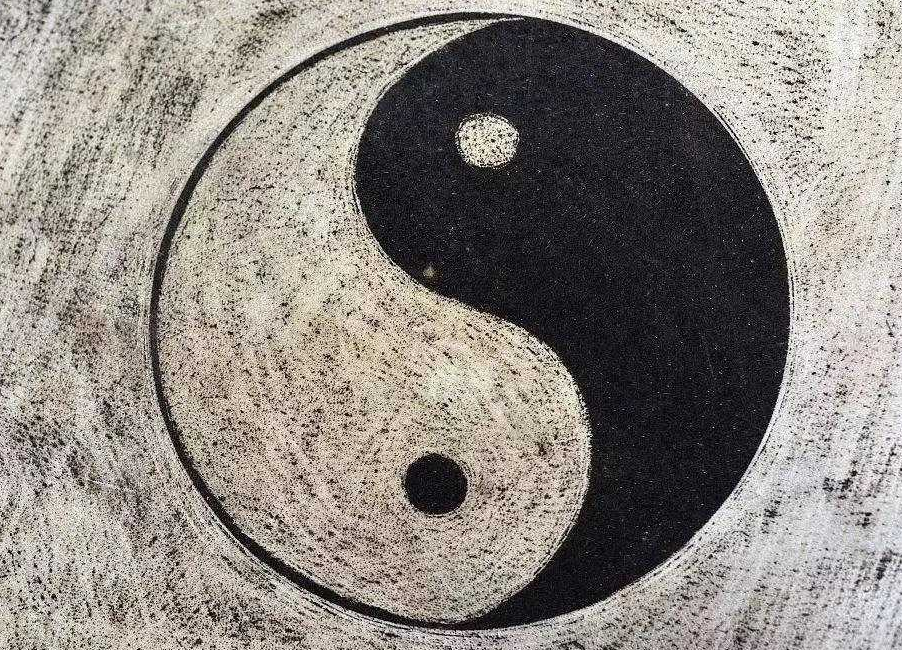
The ideological origin of Taoism can be traced back to the Taoist theories in the Pre-Qin period, with Laozi’s “Tao Te Ching” and Zhuangzi’s works being the most famous, which laid the foundation for the theoretical system of Taoism. Laozi put forward that “Tao” is the origin of the universe and the law of all things’ operation, which became the core concept of Taoism.
The ideological origin of Taoism can be traced back to the Taoist theories in the Pre-Qin period, with Laozi’s “Tao Te Ching” and Zhuangzi’s works being the most famous, which laid the foundation for the theoretical system of Taoism. Laozi put forward that “Tao” is the origin of the universe and the law of all things’ operation, which became the core concept of Taoism.
In the Eastern Han Dynasty, Taoism gradually formed a formal religious organization. From 126 to 144 AD, Zhang Daoling founded the “Wudoumi Dao” (Five Pecks of Rice Dao) in Heming Mountain, Sichuan, which is regarded as the beginning of the regularization of Taoism. He took “Tao Te Ching” as the main classic, respected Laozi as the religious leader, set up twenty-four zhi (administrative regions for preaching), and believers had to pay five pecks of rice, hence the name. During the same period, Zhang Jiao founded the “Taiping Dao” (Taiping Dao), with “Taiping Jing” (The Book of Great Peace) as the main classic, organizing people to carry out activities, which played an important role in the spread of Taoism.

Development and Reform (Wei, Jin, Southern and Northern Dynasties to Sui and Tang Dynasties)
During the Wei, Jin, Southern and Northern Dynasties, Taoism gained further development and reform. In this period, Taoist classics were constantly enriched, and the doctrines were gradually improved. Ge Hong’s “Baopuzi” systematically expounded Taoist beliefs in immortals and alchemy, promoting the development of Taoism towards theorization and systematization. At the same time, different sects emerged within Taoism, such as the Lingbao Sect and the Shangqing Sect, each with different emphases on doctrines and cultivation methods.
During the Wei, Jin, Southern and Northern Dynasties, Taoism gained further development and reform. In this period, Taoist classics were constantly enriched, and the doctrines were gradually improved. Ge Hong’s “Baopuzi” systematically expounded Taoist beliefs in immortals and alchemy, promoting the development of Taoism towards theorization and systematization. At the same time, different sects emerged within Taoism, such as the Lingbao Sect and the Shangqing Sect, each with different emphases on doctrines and cultivation methods.
The Sui and Tang Dynasties were the heyday of Taoism. Due to the admiration of the rulers, Taoism gained a very high status. The emperors of the Tang Dynasty respected Laozi as their ancestor, regarded Taoism as the state religion, vigorously built Taoist temples and supported the development of Taoism. During this period, academic research on Taoism also achieved fruitful results. Many Taoists made in-depth annotations and explanations on classics such as “Tao Te Ching”, further enriching the theoretical connotation of Taoism.
Continuation and Evolution (Song to Ming and Qing Dynasties)
During the Song Dynasty, Taoism continued to develop, and a new sect, Quanzhen Dao, emerged. Quanzhen Dao focused on inner alchemy cultivation and emphasized the unity of the three teachings, that is, integrating the thoughts of Confucianism, Buddhism and Taoism. Wang Chongyang was the founder of Quanzhen Dao, and his disciples such as Qiu Chuji made important contributions to the spread and development of Quanzhen Dao.
During the Song Dynasty, Taoism continued to develop, and a new sect, Quanzhen Dao, emerged. Quanzhen Dao focused on inner alchemy cultivation and emphasized the unity of the three teachings, that is, integrating the thoughts of Confucianism, Buddhism and Taoism. Wang Chongyang was the founder of Quanzhen Dao, and his disciples such as Qiu Chuji made important contributions to the spread and development of Quanzhen Dao.
In the Ming and Qing Dynasties, Taoism gradually declined, but still had a wide influence among the people. The rulers of the Ming Dynasty adopted a policy of both utilizing and restricting Taoism, while the Qing Dynasty preferred Buddhism and Confucianism, so the status of Taoism declined. However, some doctrines, rituals and health-preserving methods of Taoism were integrated into folk life and became part of folk culture.
Heritage and Development in Modern Times
Since modern times, Taoism has been facing new challenges and opportunities. Against the background of social changes, Taoism has constantly adjusted itself to adapt to the development of the times. After the founding of New China, the government implemented the policy of religious freedom, and Taoism obtained legal status and protection. Taoist temples around the country have been renovated, and Taoist groups have actively carried out activities to inherit and promote Taoist culture.
Since modern times, Taoism has been facing new challenges and opportunities. Against the background of social changes, Taoism has constantly adjusted itself to adapt to the development of the times. After the founding of New China, the government implemented the policy of religious freedom, and Taoism obtained legal status and protection. Taoist temples around the country have been renovated, and Taoist groups have actively carried out activities to inherit and promote Taoist culture.
Today, as an important part of Chinese traditional culture, the ideological and cultural values of Taoism have been paid more and more attention. Its advocated concepts such as “harmony between man and nature” and “adapting to nature” have important enlightenment significance for the sustainable development of contemporary society and people’s physical and mental health.